We Quit Not From Fear of Failing, But Fear of Who We'd Become
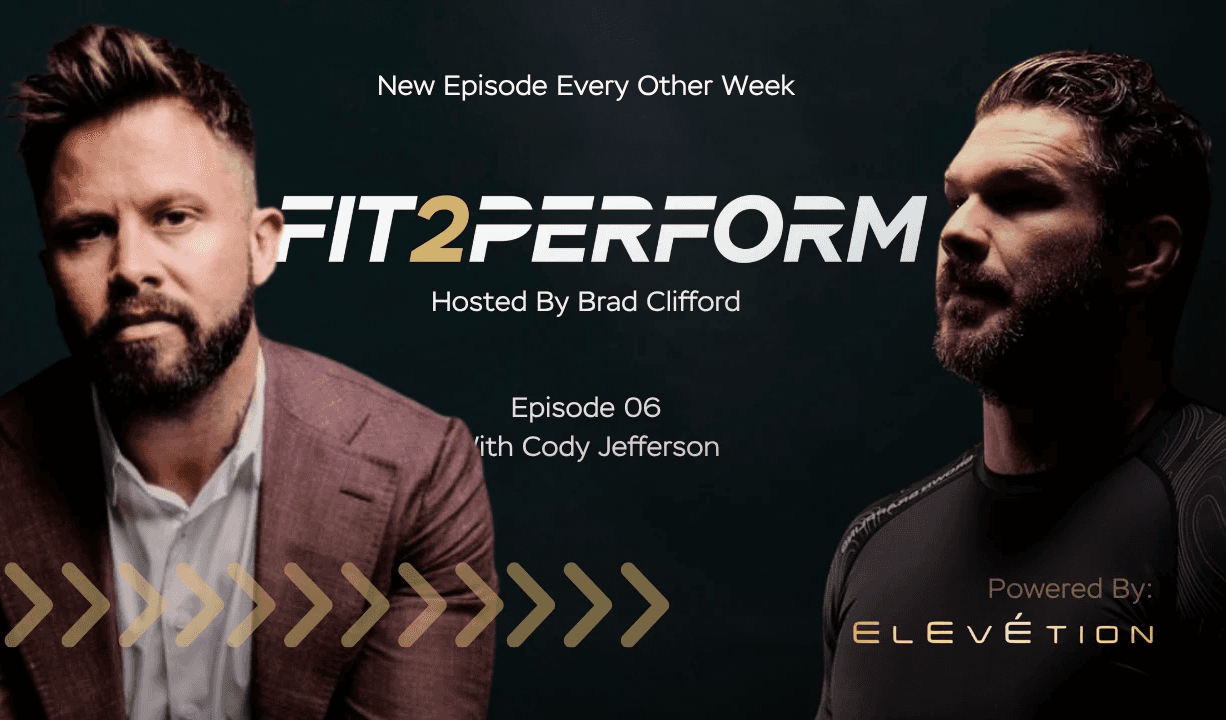
Cody Jefferson and I had followed each other for a while before this conversation, the way people do now — social media connection before you've ever actually sat down. When we finally did sit down, he told me something I appreciated immediately: zero agenda. After four hundred-plus podcast appearances, he said, most people have one. We didn't. What came out of that was easily one of the deepest, most unfiltered conversations I've had on this show.
The dopamine problem nobody wants to name
Cody spent thirteen years as a pastor before he built multiple companies, and he's watched the shift in real conversation happen from the inside — kids texting their parents instead of talking to them, couples going to bed on separate phones, authenticity curdling into a formula anyone can learn. His runner analogy stuck with me: someone decides they want to be a runner, so they get the shoes, the clothes, follow all the right accounts, post the picture — and by the time all that's done, the actual desire to run is gone. They got the identity without the mileage. That's not a fitness problem. That's the entire culture right now, dressed up in whatever field you want to plug in.
He called it a trust recession — if everyone online can sound like an expert because they've learned the cadence without doing the work, nobody actually knows who to believe anymore. That's exactly the muscle I want this show to build in people: the ability to tell the difference between consuming information and actually building capacity. They are not the same thing, and confusing them is quietly costing people their twenties, thirties, and forties.
155 funerals will teach you what actually matters
Cody has led 155 funerals. He's buried most of his own family. And what he said those funerals taught him is something I haven't stopped thinking about: the people you're trying to impress are never the ones who show up at your bedside. It's the people you neglected while you were climbing a ladder propped against a mountain nobody asked you to climb. Time doesn't respect anybody's plans, and stewarding what you've actually been given — your relationships, your days, your capacity — is the whole assignment. Not some future version of success you're still chasing.
Transform it, don't transmit it
The most personal part of the conversation was about Cody watching his two-year-old son start picking up his own people-pleasing patterns. That was the moment he says everything changed. He'd built financial success, built companies, and none of it mattered next to the realization that whatever he hadn't dealt with in himself, he was about to hand down without meaning to. He went and found a therapist — a Romanian woman named Alina who, thirty minutes into his usual charm, told him flatly to save his money if he was going to try to run the session the way he ran everything else.
What she helped him understand wasn't just his history — it was the mechanism. He described it through a principle from physics: water flows around a rock, not through it. The brain does the same thing, building bias by routing around whatever's painful instead of through it. Once he could see that mechanism clearly, he could actually interrupt it — in the half-second window before an old reaction fires, asking himself if this is who he wants his son to see.
Do you want to be well?
Cody brought up a story from scripture — a man who'd been sitting by a pool for years, unable to walk, and Jesus asks him a strange question before healing him: do you want to be well? Not do you want relief. Do you want well. Cody's point was that a lot of people are more comfortable with familiar pain than unfamiliar peace, because leaving the pain behind means leaving behind a version of yourself you're not sure how to live without. That's not weakness. That's just how identity works. But it's also exactly why the question matters — you can't get somewhere you haven't actually agreed to go.
I told him I'd been through something similar myself, in my own therapy, my own divorce, my own version of not knowing what peace even looked like because all I'd ever known was chaos. Hearing him describe it from the other side — married now, at peace now, having actually done the work — is the kind of proof a lot of men need and rarely get to see up close.
This is who I am. This is what I do.
Cody's framework for actually changing, instead of just managing behavior, comes down to one phrase: this is who I am, this is what I do. Not a personality he was handed by his upbringing. A version of himself he's choosing, one decision at a time, and then building a list of what confirms it and a list of what no longer belongs. It's simple, but it's not easy — because it means figuring out what needs to die in you before anything new gets to live. He put it plainly: we all want the resurrection story, but nobody wants to sit in the tomb first.
By the end of the conversation, we landed on the line I think sums up the whole thing: purpose and peace are not mutually exclusive. You don't have to choose between chasing something real and actually being at rest inside your own life. Most of us have just never been shown what that looks like. Cody described it about as clearly as I've ever heard it. That's exactly the kind of conversation I built this show to have.
BACK TO BLOG
GET STARTED