

Biological Age vs. Chronological Age: Which Actually Matters for Your Health?
You're 52 years old. But are you really?
Here's the thing most successful professionals miss: the number on your driver's license tells you almost nothing about your actual health, your performance capacity, or how long you're going to live. That number: your chronological age: is just a measurement of time. It's fixed. Predictable. And frankly, not that interesting from a health perspective.
What actually matters is your biological age: the functional age of your cells, tissues, and organ systems. And unlike chronological age, biological age is modifiable. It can go up. It can go down. And for high-achievers who want to sustain peak performance well into their 50s, 60s, and beyond, understanding and optimizing biological age is the ultimate competitive advantage.
What's the Real Difference?
Let's break this down.
Chronological age is simple: it's the number of birthdays you've celebrated since you were born. You turn 50, you're 50. Everyone ages chronologically at the same rate: one year per year. There's no getting around it.
Biological age, on the other hand, measures how well your body is actually functioning at the cellular level. It's determined by the health of your DNA, the condition of your tissues, the efficiency of your metabolic systems, and dozens of other biomarkers that reveal the true state of your physiology.
Two CEOs, both 55 years old chronologically, can have biological ages that differ by 10, 15, even 20 years. One might have the cellular health of a 45-year-old: sharp, energetic, resilient. The other might be biologically 65: fatigued, inflamed, on the fast track to chronic disease.
Same number of candles on the cake. Completely different health trajectories.

Why Biological Age Is the Number That Actually Matters
Research is clear: biological age is a far better predictor of health outcomes and mortality than chronological age.
Studies using epigenetic clocks: sophisticated tests that measure DNA methylation patterns in your blood: have shown that biological age predicts all-cause mortality in later life better than the number of years you've been alive. In other words, your biological age tells us more about when you're likely to die than your actual birthday does.
The implications go beyond mortality. For every five years your biological age exceeds your chronological age, your risk of age-related diseases increases significantly. Research shows a 15% increase in breast cancer risk for each five-year gap. Cardiovascular disease, Type 2 diabetes, Alzheimer's, cognitive decline: all correlate more strongly with biological age than with how many trips you've taken around the sun.
Here's the empowering part: biological age is not destiny. It responds to intervention. It can be measured, tracked, and: most importantly: reversed.
The Science Behind Measuring Biological Age
So how do we actually measure biological age? It's not as simple as looking in the mirror or asking how you feel (though those can be clues).
Modern medicine uses a combination of advanced biomarkers to assess biological age:
Epigenetic Testing: This is the gold standard. Epigenetic clocks analyze patterns of DNA methylation: chemical tags that accumulate on your DNA over time and affect how your genes are expressed. These patterns are incredibly predictive of biological aging and can reveal your true cellular age with remarkable accuracy.
Telomere Length: Telomeres are protective caps on the ends of your chromosomes that shorten each time a cell divides. Shorter telomeres are associated with accelerated aging and increased disease risk.
Comprehensive Biomarker Panels: At Elevétion, we analyze 125+ biomarkers that provide a complete picture of your metabolic health, inflammation levels, hormonal balance, cardiovascular function, and more. This data-driven approach reveals exactly where your body is aging faster: or slower: than it should.
Inflammatory Markers: Chronic inflammation is one of the primary drivers of biological aging. Markers like C-reactive protein (CRP) and interleukin-6 (IL-6) give us insight into systemic inflammation levels.
Metabolic Health Indicators: Insulin sensitivity, glucose regulation, lipid profiles, and liver function all contribute to biological age. Metabolic dysfunction accelerates aging at the cellular level.
When we combine these measurements, we get a comprehensive snapshot of your biological age: and a roadmap for how to improve it.

What Drives Biological Age Up (Or Down)
Your biological age isn't random. It's shaped by a combination of genetics and lifestyle factors: and the good news is that lifestyle factors are within your control.
Factors that accelerate biological aging:
- Chronic stress: Elevated cortisol levels damage DNA and accelerate cellular aging
- Poor sleep: Sleep deprivation disrupts cellular repair processes and hormone balance
- Sedentary lifestyle: Lack of movement accelerates muscle loss, metabolic dysfunction, and inflammation
- Poor nutrition: Processed foods, excess sugar, and nutrient deficiencies all contribute to faster aging
- Chronic inflammation: Whether from diet, stress, or underlying health conditions, inflammation is aging's best friend
- Toxin exposure: Environmental pollutants, heavy metals, and chronic alcohol use damage cells and DNA
Factors that slow biological aging:
- Regular exercise: Especially strength training and high-intensity interval training (HIIT)
- Quality sleep: 7-9 hours nightly with consistent sleep-wake cycles
- Nutrient-dense diet: Whole foods, healthy fats, adequate protein, antioxidants
- Stress management: Meditation, breathwork, and recovery practices
- Social connection: Strong relationships and purpose correlate with slower aging
- Hormonal optimization: Balanced testosterone, estrogen, thyroid, and growth hormone levels
The lifestyle choices you make today are literally programming your cells to age faster or slower. That's not hyperbole: it's measurable, quantifiable science.
How to Turn Back Your Biological Clock
Here's where this gets exciting. You can lower your biological age. You can become biologically younger than you are chronologically. And for high-performers who want sustained sharpness and longevity, this is the game.
Step 1: Measure Where You Are
You can't optimize what you don't measure. Comprehensive testing: including epigenetic analysis and extensive biomarker panels: gives you a baseline. It shows you exactly where your body is aging and what needs attention.
Step 2: Address the Biggest Levers
Based on your data, prioritize interventions that will move the needle:
- Optimize metabolic health: Stabilize insulin levels, improve glucose regulation, and address any metabolic dysfunction
- Build and maintain muscle mass: Strength training is non-negotiable. Muscle is metabolically active tissue that supports healthy aging
- Reduce systemic inflammation: Through diet, stress management, and targeted supplementation
- Support cellular health: NAD+ optimization, mitochondrial function, and antioxidant support all play a role
Step 3: Personalize Your Protocol
Generic advice doesn't cut it. Your biological age is unique to you, shaped by your genetics, your history, and your current lifestyle. That's why personalized protocols: custom supplementation, targeted nutrition plans, and individualized exercise prescriptions: are essential.

The Elevétion Approach: Data-Driven Age Reversal
At Elevétion, we don't guess. We measure. We analyze. And we create personalized protocols designed to lower your biological age and optimize your performance.
Here's how we do it:
Comprehensive Analytics: We start with advanced testing, including epigenetic analysis and 125+ biomarkers. This gives us a complete picture of your biological age and where your body needs support.
Personalized Protocols: Based on your unique data, we design custom interventions: from targeted supplementation and hormone optimization to nutrition strategies and cellular health therapies.
Proactive Partnership: We're not here to treat symptoms. We're here to identify root causes, address them early, and help you maintain peak performance for the long haul.
Ongoing Optimization: Biological age isn't a one-time measurement. We track your progress, adjust protocols, and continuously optimize as your body responds.
For successful professionals who refuse to accept decline as inevitable, this approach is transformative. It's not about anti-aging gimmicks or chasing youth. It's about maximizing your healthspan: the number of years you live at your absolute best.
The Bottom Line
Your chronological age is just a number. Your biological age is your future.
While you can't change the fact that you're turning 55 this year, you absolutely can change whether your body functions like a 45-year-old or a 65-year-old. You can influence your disease risk, your cognitive sharpness, your energy levels, and your longevity.
The question isn't whether biological age matters more than chronological age: the science has already answered that. The question is: what are you going to do about it?
The healthiest, sharpest, most successful leaders understand that optimizing their biological age isn't vanity: it's strategy. It's the ultimate investment in sustained performance, longevity, and quality of life.
Ready to find out your biological age: and start turning back the clock? Let's talk. Discover how Elevétion can help you optimize your health with data-driven, personalized care designed for high-achievers who refuse to settle for average.
Keep reading

Insights · Nov 3, 2026
How Early Detection Health Testing Helps You Stay Younger for Longer
Most people wait until something feels wrong before looking into their health. By the time symptoms appear, many issues have already been…
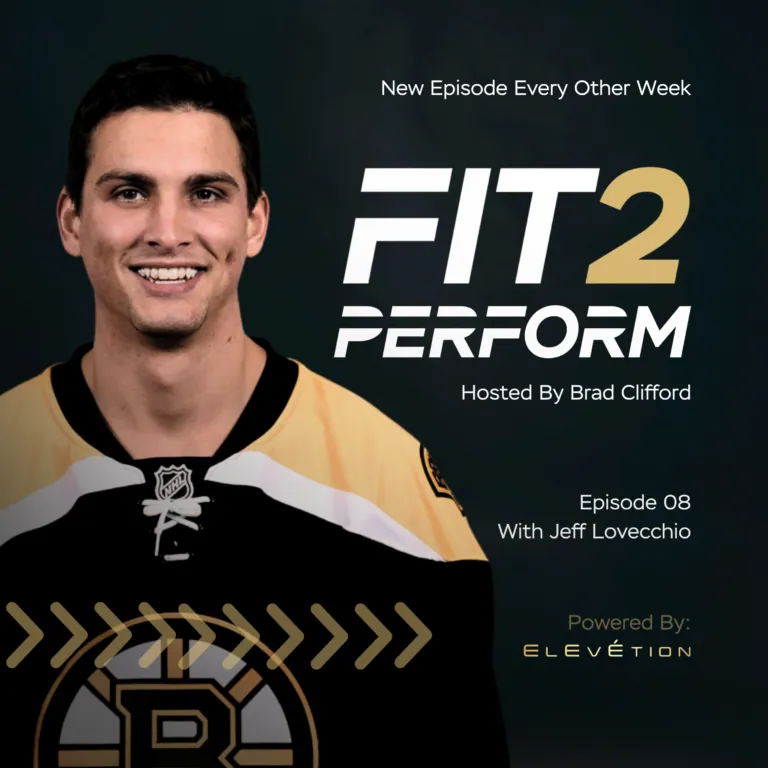
FIT2PERFORM Podcast · Nov 2, 2026
Hard Work, Patience, More Hard Work: 10 Years Pro, and the Life Hockey Built
Jeff Lovecchio was the last player picked and the worst player on his first AAA hockey team. His mom sent him into…

Insights · Oct 27, 2026
How Biomarker Testing Can Predict Aging and What You Can Do About It
Biological age is not the same as your birthday age. Two people can be the same age chronologically yet have completely different…