

Seven Things the Healthiest CEOs Do to Stay Sharp Into Their 50s, 60s, and Beyond
For CEOs, staying sharp isn't optional: it's a requirement for success. The boardroom doesn't care if you're having an off day because you skipped sleep or binged on processed food. High-performing CEOs get this. They understand that sustained success requires more than talent or experience. How they treat their bodies directly impacts their bottom line.
For leaders eyeing longevity, especially as they enter their 50s, 60s, and beyond, respecting their health isn't selfish: it's a crucial part of their professional success. The healthiest executives treat their bodies like the high-performance machines they need them to be.
What follows are seven habits we've observed among the sharpest CEOs. While many of these leaders are 50 and older, these strategies can benefit anyone at any career stage who wants to maintain peak mental performance.
1. Master Your Insulin Levels
When most people hear "insulin," they think diabetes. That's shortsighted. We should all be concerned with our insulin levels and avoid chronically elevated levels like the plague.
Here's what chronically high insulin does to your body: inflammation, fatigue, brain fog, and sets you up for Type 2 diabetes and Alzheimer's down the road. It also wreaks havoc on your weight and overall energy levels. Think of insulin resistance as your body's check engine light: ignore it at your own peril.
While we recommend working with a medical professional to craft an individualized plan, you can start stabilizing insulin levels today. Cut the obvious culprits: sugar, refined carbs, and processed foods. Your brain will thank you within days.

2. Prioritize Sleep Like Your Career Depends on It
We all know that person who brags about surviving on four hours of sleep. As medical professionals, this "sleep is for the weak" mentality makes us cringe. Here's the brutal reality: lack of sleep makes you objectively worse at your job.
Sleep deprivation reduces critical thinking skills, memory formation, and decision-making ability. It throws your hormonal balance out of whack and impairs judgment. Would you make a major business decision while intoxicated? Because that's essentially what you're doing when you're sleep-deprived.
The latest trend is "sleep maxxing": increasingly complex bedtime rituals designed to optimize rest. While we applaud the focus on better sleep, keep it simple. Complicated routines fall apart when you're traveling or stressed.
Our recommendations are straightforward: maintain consistent sleep and wake times, avoid screens before bed, and treat sleep disorders like sleep apnea immediately. Your competitive edge depends on it.
3. Exercise: Non-Negotiable Movement
Sitting behind a desk all day is slowly killing your brain and body. The healthiest CEOs treat exercise as non-negotiable. If you're desk-bound, find excuses to move every 20 minutes. Your circulation and cognitive function will improve dramatically.
Exercise delivers both mental and physical benefits. Regular physical activity boosts cognitive performance and sharpens focus. But not all exercise is created equal.
We're particular advocates of strength training. Beyond preventing age-related muscle loss, regular strength training improves posture, reduces injury risk, and provides compound benefits that extend far beyond the gym. Combine this with weekly cardio: walking, running, swimming: and you've got a winning formula.
Strauss Zelnick, named America's fittest CEO at 65, works out 8-10 times weekly, deliberately training with people half his age. That's the mindset that keeps leaders sharp.

4. Meditation and Stress Management: Your Mental Firewall
Meditation isn't hippie nonsense anymore. The science and medical communities embrace mindfulness because of its proven benefits for mental performance and overall well-being.
Meditation reduces stress, improves focus, and strengthens your connection to your breath: your body's natural reset button. In a high-pressure environment, this isn't luxury; it's survival equipment.
You don't need to sit cross-legged on a mountaintop. Start with five minutes of focused breathing daily. Build from there. The goal is creating mental resilience that helps you navigate complex decisions with clarity.
5. Limit Social Media Exposure: Protect Your Focus
We live in an age of weaponized distraction, and social media is enemy number one when it comes to maintaining focus. It's literally designed to be addictive. We've all fallen down the rabbit hole, emerging hours later wondering where the time went.
Social media hijacks your dopamine system. Those "likes" and comments create short-term highs followed by dopamine crashes that leave you less focused and more scattered. This destroys your ability to do deep work: the kind of sustained, critical thinking that drives business success.
Unfortunately, completely eliminating social media isn't realistic for most executives. The key is intentional, limited exposure. Follow Cal Newport's digital minimalism approach: schedule specific times for social media use, delegate it to assistants when possible, and implement regular digital detox periods.
Your attention is your most valuable asset. Guard it accordingly.
6. Embrace Recovery: Saunas and Cold Therapy
High-performing CEOs understand that recovery isn't optional: it's where adaptation happens. The smartest executives incorporate both heat and cold therapy into their routines, though not simultaneously.
Both saunas and cold therapy reduce inflammation and accelerate recovery. The choice between them often depends on the season, personal preference, and your current training cycle. Some executives alternate between both, using heat for relaxation and cold for mental toughness and recovery.
Think of recovery protocols as performance enhancers. They're not rewards for working hard: they're tools that allow you to work hard consistently over decades.

7. Find a Concierge Physician: Personalized Healthcare Strategy
General health advice is helpful, but it doesn't replace personalized medical care from a physician who actually knows you. Concierge physicians focus on relationship building and individualized care. They take a proactive rather than reactive approach to health.
Instead of treating symptoms after they appear, concierge medicine seeks to understand why symptoms occur and addresses root causes. A quality concierge physician develops comprehensive health strategies backed by data-driven insights.
Having specific numbers and biomarkers allows you to make informed decisions about your health. It's the difference between hoping you're healthy and knowing exactly where you stand and what needs attention.
At Elevétion, we see this approach work consistently. Executives who partner with concierge physicians make better health decisions because they have better information.
Lead by Example: Your Health is Your Competitive Advantage
More CEOs are recognizing that health isn't separate from professional success: it's foundational to it. Staying sharp and maintaining focus isn't luck; it's a deliberate choice backed by consistent action.
These seven strategies, while inspired by the healthiest CEOs, can work for anyone serious about peak performance. The key is finding approaches that fit your lifestyle and business demands.
Health is deeply personal, but the principles are universal: respect your body's systems, prioritize recovery, fuel properly, move regularly, and partner with healthcare professionals who understand your goals.
At Elevétion, we help high-achievers create personalized health strategies that support their professional ambitions. Your health is your ultimate competitive advantage: it's time to treat it that way.
Ready to optimize your health strategy? Contact Elevétion today to learn how personalized concierge medicine can keep you performing at your peak for decades to come.
Keep reading
Insights · Nov 10, 2026
Biological Age vs. Chronological Age: Which Actually Matters for Your Health?
You're 52 years old. But are you really? Here's the thing most successful professionals miss: the number on your driver's license tells…
Insights · Nov 3, 2026
How Early Detection Health Testing Helps You Stay Younger for Longer
Most people wait until something feels wrong before looking into their health. By the time symptoms appear, many issues have already been…
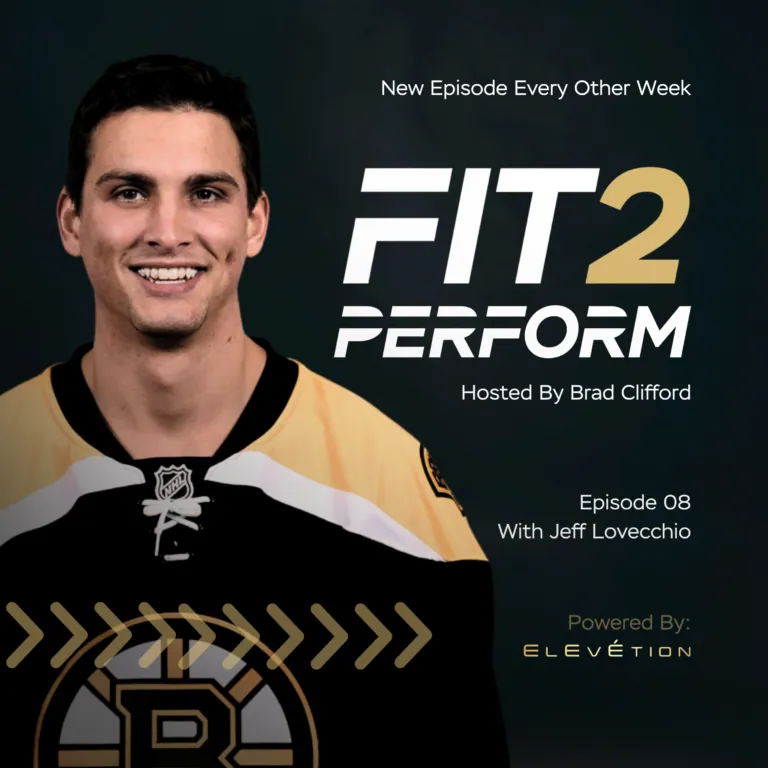
FIT2PERFORM Podcast · Nov 2, 2026
Hard Work, Patience, More Hard Work: 10 Years Pro, and the Life Hockey Built
Jeff Lovecchio was the last player picked and the worst player on his first AAA hockey team. His mom sent him into…